Using an Anion Gap Calculator in Biochemical Testing
An anion gap calculator is a handy tool for biochemical analysis because it converts routine blood chemistry panel results into a quicker, more meaningful interpretation. Instead of viewing individual numbers in isolation, the calculator helps practitioners and trainees assess serum electrolytes, identify an electrolyte imbalance, and narrow the differential for an acid-base disorder. In particular, it supports evaluation of metabolic acidosis by estimating the difference between measured cations and measured anions.
The value of the anion gap is not only in the number itself, but in how it fits into clinical assessment, result analysis, and the broader pathophysiology of acid-base balance. A calculator can accelerate the calculation, but meaningful use depends on understanding the anion concentration being implied, the role of the bicarbonate level, and how albumin level changes the expected result. That is why, the best use of an anion gap calculator is as a screening tool within a thorough diagnostic workflow, not as a stand-alone answer.
What the Anion Gap Indicates
The anion gap is an indirect measure derived from routine electrolytes in the bloodstream. It reveals the difference between positively charged ions, especially sodium, and the main measured negatively charged ions, especially chloride and bicarbonate. In practice, the gap helps estimate the amount of unmeasured anions in plasma. These unmeasured particles consist of proteins, phosphates, sulfates, and organic acids that are not routinely listed on every panel.
Because the anion gap is based on measured serum electrolytes, it acts as a biochemical clue rather than a direct diagnostic label. A higher-than-expected gap may indicate accumulation of acids or other unmeasured anions, while a lower-than-expected value may reflect low albumin or laboratory issues. This is why the anion gap is such an essential marker in acid-base balance and clinical interpretation of lab results.
In simple terms, the anion gap provides a picture of whether the negative side of the electrolyte equation appears incomplete. When used alongside serum sodium and serum chloride, it helps identify hidden https://anion-gap-app151.trexgame.net/what-s-the-normal-anion-gap-range-in-adults changes that may not be obvious from the blood chemistry panel alone. For that reason, it remains a helpful part of modern biochemical analysis and acid-base assessment.
Anion Gap Formula and Calculation Inputs
The classic anion gap formula uses standard blood test results from the blood chemistry panel. The most widely used version is:
Anion gap = serum sodium - (serum chloride + serum bicarbonate)
Some laboratories and tools may include potassium, but the sodium-based form is the preferred because it simplifies interpretation and is aligned with many reference interval approaches. In every version, the key inputs are serum sodium, serum chloride, and serum bicarbonate. These values come straight from the electrolyte panel and represent the main measured components needed for the calculation.
Knowing the calculation inputs matters because the result is only as reliable as the numbers entered. If one value is old, affected by hemolysis, or otherwise inaccurate, the final anion gap may confuse clinical assessment. The formula itself is easy to apply, but the diagnostic meaning depends on the quality of the underlying laboratory data and the patient’s overall acid-base status.
Some clinicians also pay attention to the bicarbonate level because it helps explain why the gap is abnormal. A low bicarbonate level can accompany several types of acidosis, but the anion gap helps distinguish whether the bicarbonate loss is being replaced by unmeasured acids or by chloride. That distinction is critical in biochemical analysis and result analysis.
Using an Anion Gap Calculator
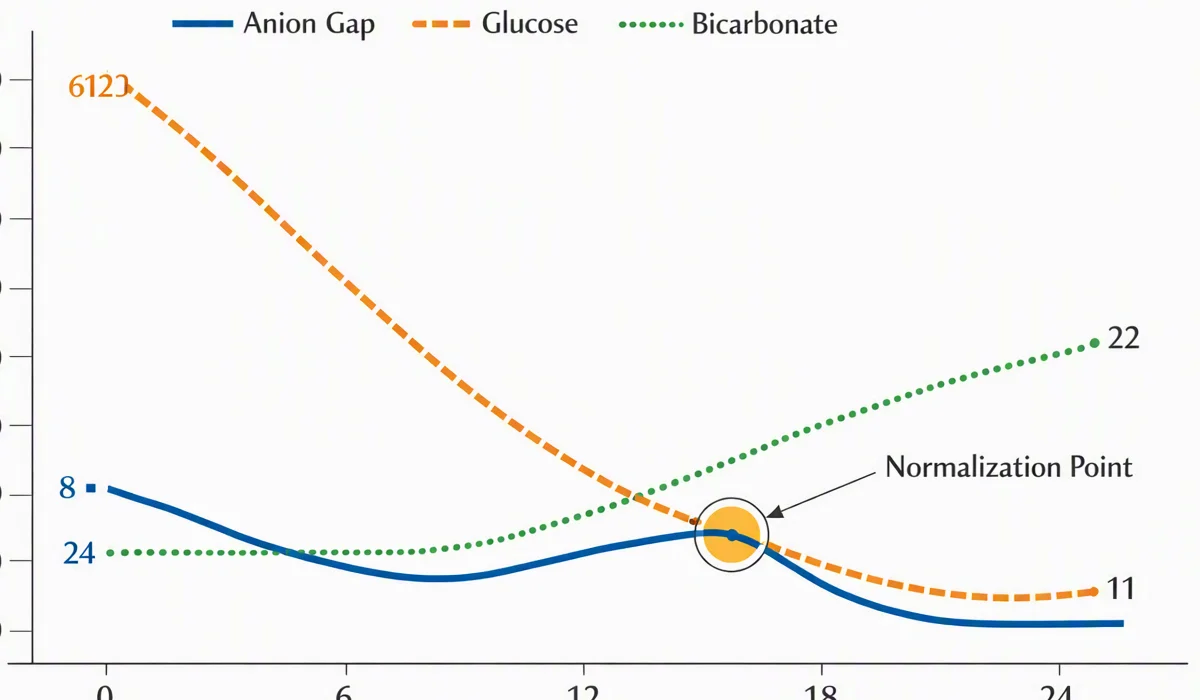
An anion gap calculator is built to ease the computation by making it easy to enter the relevant lab values into specific input fields. In most cases, the calculator asks for serum sodium, serum chloride, and serum bicarbonate. Once those values are entered, the tool generates a calculation result that can be compared against the expected reference interval.
To use it effectively, begin with verified lab values from the most recent blood chemistry panel. Then verify that the calculator is using the same formula as your laboratory or clinical workflow. Some tools show an uncorrected value only, while others may offer an option for albumin adjustment. Since the meaning of the number depends on the broader clinical picture, the calculator should be treated as part of a diagnostic sequence rather than the final answer.
For practical use, follow this process:
- Check the electrolyte panel for serum sodium, serum chloride, and serum bicarbonate.
- Input the values into the calculator input fields.
- Compare the calculation result against the laboratory’s reference range.
- Interpret the result in relation to acid-base balance, albumin, and the patient’s symptoms.
If used well, the calculator saves time and supports consistent interpretation. It is especially valuable in rapid clinical settings where subtle changes in serum electrolytes may signal a significant acid-base disorder. Still, any automated tool should be paired with clinical judgment, because result analysis requires more than a single number.
Normal Anion Gap Range and Meaning
The expected range for anion gap depends on the measurement method, analyzers, and the laboratory’s normal interval. These ranges vary because measurement techniques differ and because some labs include different considerations about unmeasured ions. A result that appears normal in one setting may be near the limit in another, so always assess the value using the local reference interval rather than a universal cutoff.
A normal anion gap does not automatically mean normal acid-base status. A patient can still have a metabolic acid disorder with a normal gap if bicarbonate is being lost and replaced by chloride, rather than by unmeasured acids. In those cases, the calculator may produce a value that appears reassuring unless the broader electrolyte pattern is reviewed.
Serum albumin also matters because it is one of the main unmeasured anions contributing to the expected gap. Low albumin can reduce the apparent gap and obscure clinically important acid accumulation. That is why an apparently normal result should always be interpreted alongside the albumin level, bicarbonate level, and the rest of the serum electrolytes.
Modified Anion Gap and Albumin Adjustment
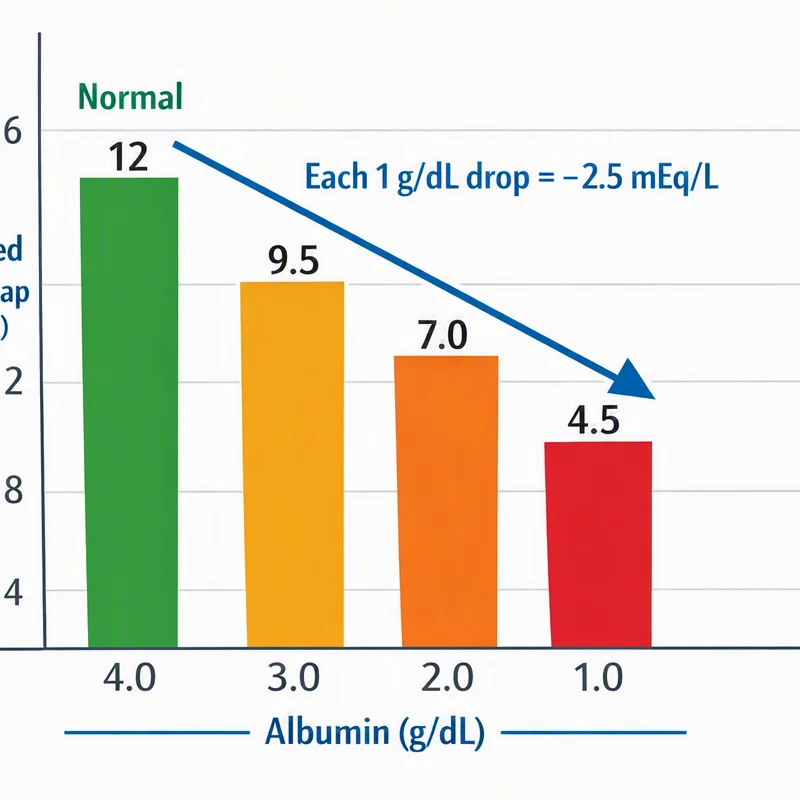
The anion gap after correction recalculates the raw result when hypoalbuminemia is identified. Since albumin has a negative charge, a lower albumin level can make the measured gap appear falsely low or normal. In biochemical analysis, this is important because a “normal” uncorrected number may hide a clinically significant acid load.
Albumin correction uses a correction factor to account for the missing contribution of albumin to the negative charge balance. The exact formula may differ by institution, but the principle is the same: lower albumin means fewer expected unmeasured anions, so the apparent anion gap should be adjusted upward to improve clinical interpretation. This is especially relevant when assessing acid-base balance in hospitalized or critically ill patients.
For example, a patient with low albumin and an only mildly elevated measured anion gap may actually have a more significant disorder after correction. That corrected result can shift the diagnostic impression from borderline to clearly abnormal. For this reason, the corrected anion gap is often more informative than the raw number when evaluating suspected metabolic acidosis.
In practice, albumin adjustment improves result analysis by reducing underdiagnosis of high-gap states. It does not replace clinical judgment, but it does make the anion gap calculator more useful as a screening tool. When hypoalbuminemia is present, always consider whether the uncorrected value is masking the true biochemical picture.
Raised anion gap vs Standard Anion Gap Acidosis
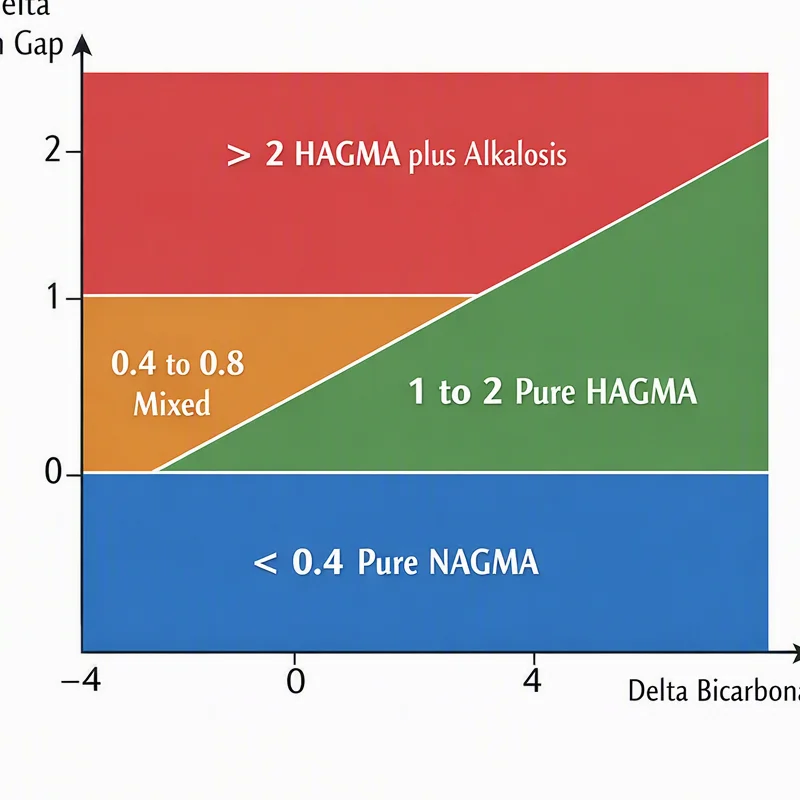
Raised anion gap and typical anion gap patterns indicate different mechanisms of acid buildup. In raised anion gap metabolic acidosis, the body collects acids that create additional unmeasured anions. This elevates the gap because bicarbonate is depleted buffering those acids. In contrast, normal anion gap metabolic acidosis usually shows direct loss of bicarbonate with a compensatory rise in chloride, leaving the gap mostly stable.
Identifying this distinction is one of the main reasons to use anion gap calculator in biochemical analysis. The calculator supports categorize the acid-base disorder and directs the next diagnostic steps. If the gap is elevated, the clinician looks for added acids or toxins. If the gap is normal, the focus shifts toward gastrointestinal loss, renal tubular mechanisms, or other causes of bicarbonate loss.
This distinction also matters for treatment planning. A high-gap process often requires finding and treating the underlying acid source, while a normal-gap process may require replacing bicarbonate losses or addressing chloride-rich fluid exposure. In both settings, the calculator promotes a more precise diagnostic approach by anchoring the interpretation of lab results in acid-base physiology.
Frequent Sources of Abnormal Outcomes
Various states can move the anion gap beyond the reference interval. From among the key causes of high anion gap metabolic acidosis are lactic acidosis, ketoacidosis, renal failure, and toxic ingestion. Every one of these conditions elevates the concentration of undetected acids or hidden anions in blood, which raises the gap and decreases bicarbonate.
Lactic acidosis occurs when lactate accumulates due to oxygen deprivation, poor perfusion, sepsis, or other reasons of impaired oxygen delivery and utilization. Ketoacidosis results from accumulation of ketone bodies, often in diabetes, starvation, or alcohol-related states. Renal failure can limit acid excretion and cause organic acids to build up. Toxic ingestion can introduce substances that are metabolized into acids or that directly increase the anion gap.
Atypical results are not always due to a single cause. Combined disturbances are often seen, especially when metabolic acidosis occurs alongside respiratory changes or volume abnormalities. That is why the blood chemistry panel, albumin level, and clinical picture should be reviewed together. The calculator shows the pattern, but the diagnostic workup finds the cause.
Constraints of Anion Gap Interpretation
Although valuable, the anion gap has important limitations. Laboratory variation can affect the reference range and shift the interpretation of borderline values. Different analyzers and assay methods may produce slightly different results for sodium, chloride, and bicarbonate, so small changes should be interpreted carefully. This makes the local reference range critical for accurate analysis.
Another limitation is the presence of unmeasured anions that are not part of the standard equation. The gap is only an indirect estimate, so it can miss important biochemical changes or be influenced by unexpected substances. In addition, measurement error in any of the components can distort the final number. A falsely low chloride or bicarbonate value may produce a misleading result, even if the patient’s acid-base status has not changed substantially.
Equally significant is clinical context. The output should never be interpreted alone. Symptoms, medication history, renal function, lactate, ketones, and other lab results all affect the final diagnosis. In everyday biochemical analysis, the Anion Gap Calculator is an indicator, not a conclusion. That is especially true when evaluating nuanced acid-base disorders or when hypoalbuminemia obscures the picture.
FAQ About Anion Gap Calculations
What is an anion gap calculator used for?
Anion Gap Calculator serves to rapidly estimate the anion gap from routine lab values and aid interpretation of acid-base balance. It helps clinicians identify metabolic acidosis, identify possible unmeasured anions, and determine whether further evaluation is needed based on the blood chemistry panel.
How do you calculate the anion gap from lab values?
The usual anion gap formula is serum sodium minus the sum of serum chloride and serum bicarbonate. You enter those lab values into the calculator, and it performs the calculation automatically. The result should then be reviewed with the laboratory’s reference range and interpreted in clinical context.
What is a normal anion gap range?
The normal range depends on the laboratory method and the reference interval used by that lab. Because measurement techniques differ, there is no standard number that applies everywhere. Always interpret the result using the local reference range and the patient’s overall biochemical profile.
Why do you correct the anion gap for albumin?
You correct the anion gap for albumin because albumin is a major unmeasured anion. In hypoalbuminemia, the uncorrected value may seem falsely normal or low. Albumin correction strengthens clinical interpretation and can reveal hidden high anion gap metabolic acidosis that might otherwise be missed.
What conditions can cause a high anion gap?
Common causes of a high anion gap include lactic acidosis, ketoacidosis, renal failure, and toxic ingestion. These conditions increase unmeasured anions or acids in the blood, which elevates the calculated gap. The final diagnosis still depends on the clinical assessment, lab results, and the broader acid-base disorder pattern.